
Academician Wan Jianmin and colleagues reveal reproductive isolation between Asian and African cultivated rice and lay a foundation for breeding exceptionally high-yielding interspecific hybrids
On August 28, Academician Wan Jianmin's team, working with several institutions, elucidated the molecular mechanism of reproductive isolation between Asian and African cultivated rice. The researchers identified a three-gene system controlling hybrid sterility and obtained broadly compatible germplasm capable of overcoming the fertility barrier. The findings, published in Science, provide an important theoretical basis and germplasm resources for breeding exceptionally high-yielding Asian-African hybrid rice.
Rice is a staple food for more than half of the world's population and one of China's most important food crops. The genus Oryza comprises 24 species, of which only Asian rice and African rice are cultivated. Asian rice offers high yield and good grain quality, whereas African rice possesses valuable tolerance to heat, drought, and low soil fertility, as well as resistance to diseases and insect pests. Interspecific crosses could combine favorable genes from both species to achieve complementary improvement. However, severe reproductive isolation results in extremely low fertility in the F1 hybrids, greatly restricting the exchange and recombination of favorable genes and the exploitation of interspecific heterosis.
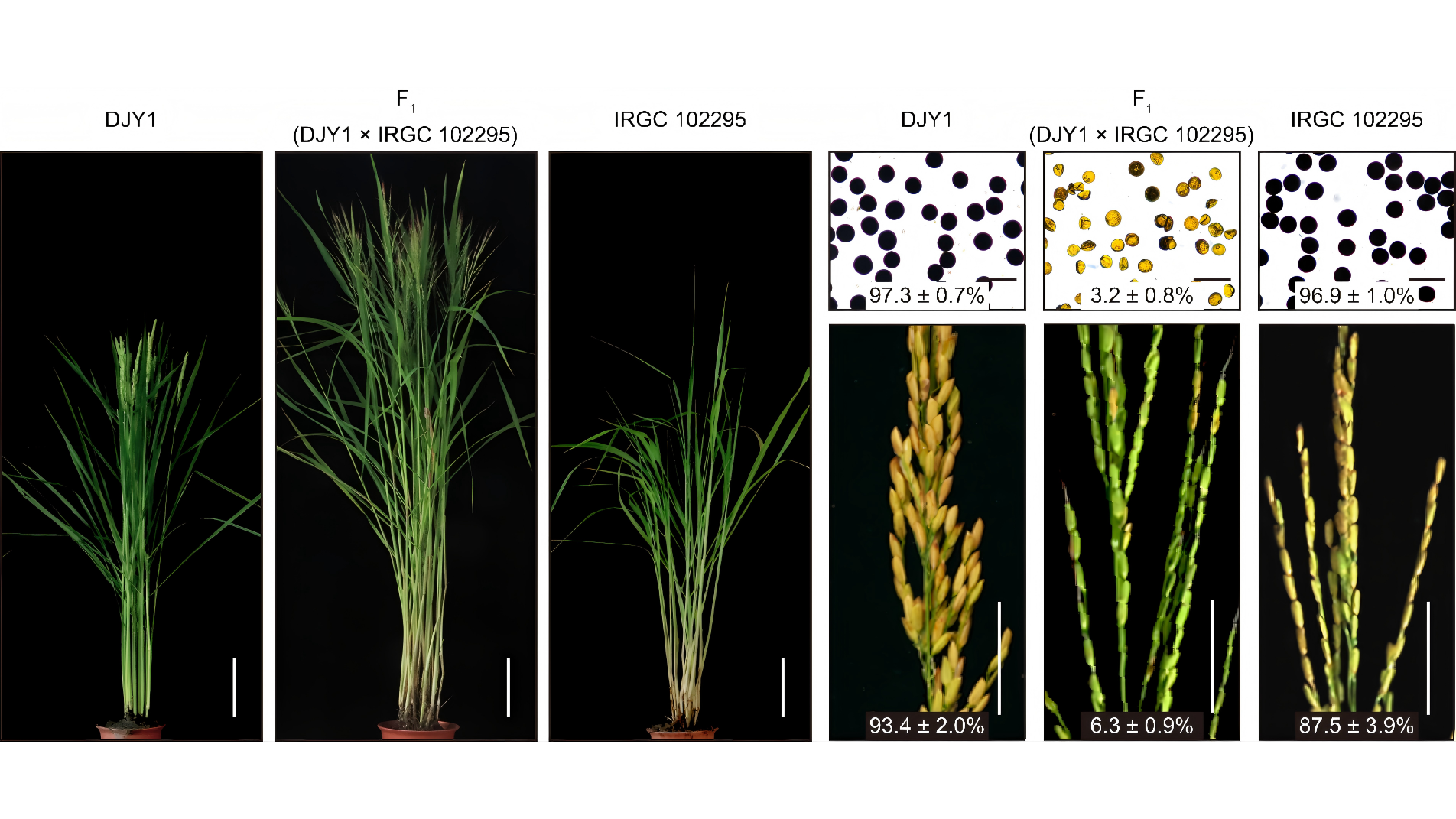
Figure 1. Plant, pollen, and spikelet phenotypes of Asian cultivated rice, African cultivated rice, and their F1 hybrid.
After years of sustained research, the team identified RHS3, a major locus on rice chromosome 3 that controls pollen sterility in hybrids between Asian and African cultivated rice. This locus selectively causes the abortion of pollen carrying the Asian rice allele, producing pollen semi-sterility in the F1 hybrid. Genetic analysis showed that RHS3 comprises three genes: ORF10, ORF16, and ORF4. ORF10 encodes a mitochondria-localized 'destroyer' protein, termed the spear; ORF16 encodes a 'protector' protein localized to both mitochondria and chloroplasts, termed the shield; and ORF4 encodes a 'protector' protein localized to chloroplasts and autophagosomes, termed the armor. Together, these genes form a precise hybrid sterility control system. African cultivated rice carries the complete spear-shield-armor system, whereas Asian cultivated rice carries only the armor component. Their F1 hybrid therefore produces two types of gametes: those carrying all three components and those carrying only armor. Male gametes carrying only armor lack protection from the shield and abort, resulting in pollen semi-sterility.
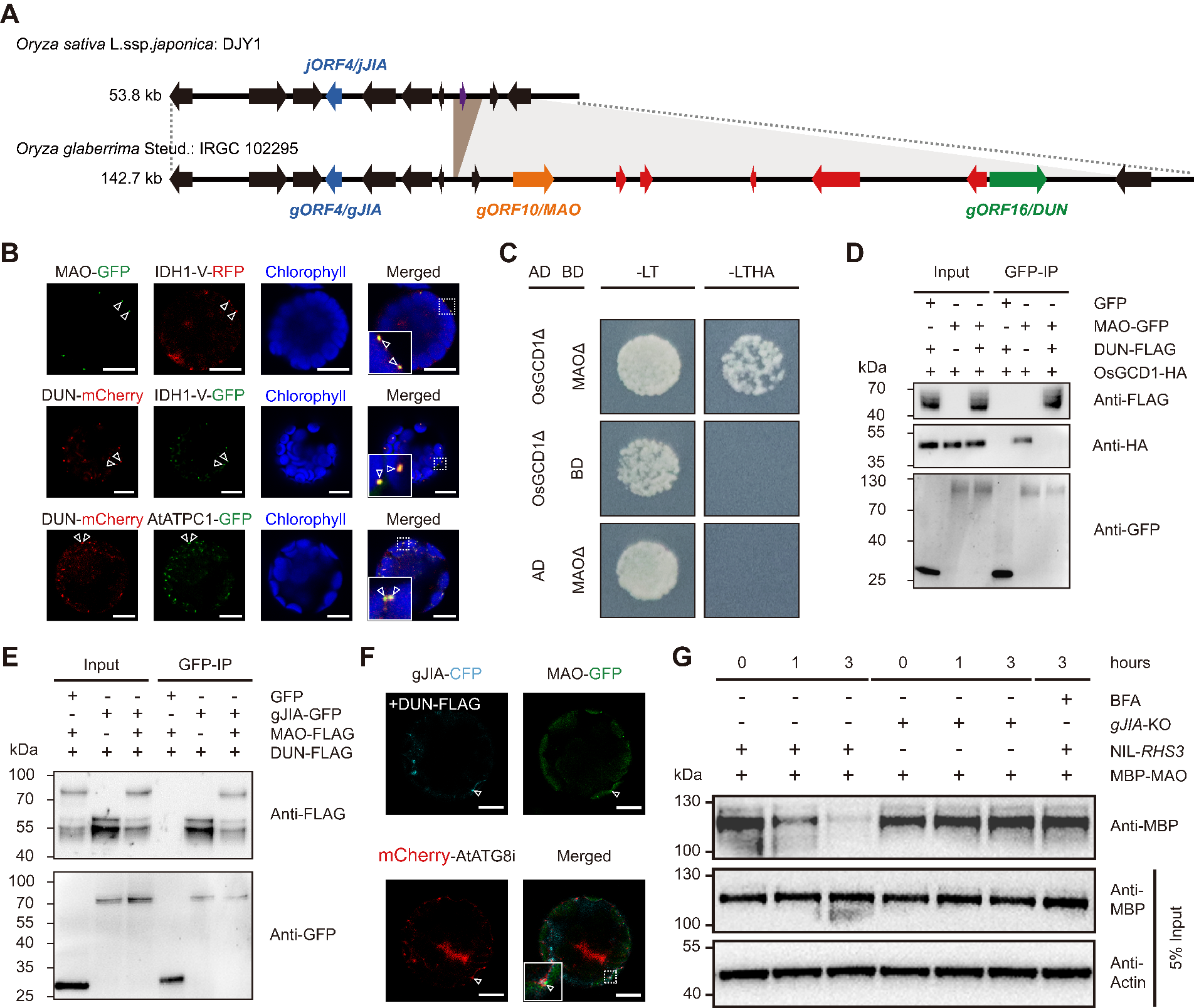
Figure 2. Molecular mechanism by which the spear-shield-armor tripartite complex regulates hybrid sterility between Asian and African cultivated rice.
Mechanistic studies showed that the spear disrupts mitochondrial function and causes gamete abortion. The shield interacts with the spear to neutralize its destructive effect and protect normal gamete development. Armor interacts with the shield to form a spear-shield-armor protein complex, directing the spear to autophagosomes for degradation and specifically protecting female gametes. Further experiments identified armor as a plant-specific selective autophagy receptor that directly channels the spear into the autophagic degradation pathway, thereby regulating interspecific reproductive isolation. This study provides the first molecular evidence that selective autophagy participates in reproductive isolation between plant species. Evolutionary analysis indicated that armor is specific to grasses, the spear originated in Oryza glumaepatula, and the shield originated in Oryza meridionalis. The spear and shield may have entered Oryza barthii, the wild ancestor of African cultivated rice, through introgressive hybridization, gradually forming a fully functional genetic system.
The researchers also identified broadly compatible germplasm with a functional shield and an inactive spear. Crosses of this germplasm with either Asian or African cultivated rice overcame the reduction in fertility caused by RHS3. This discovery could help overcome reproductive isolation between the two cultivated species and provides technical support and germplasm resources for exploiting heterosis in their wide crosses.
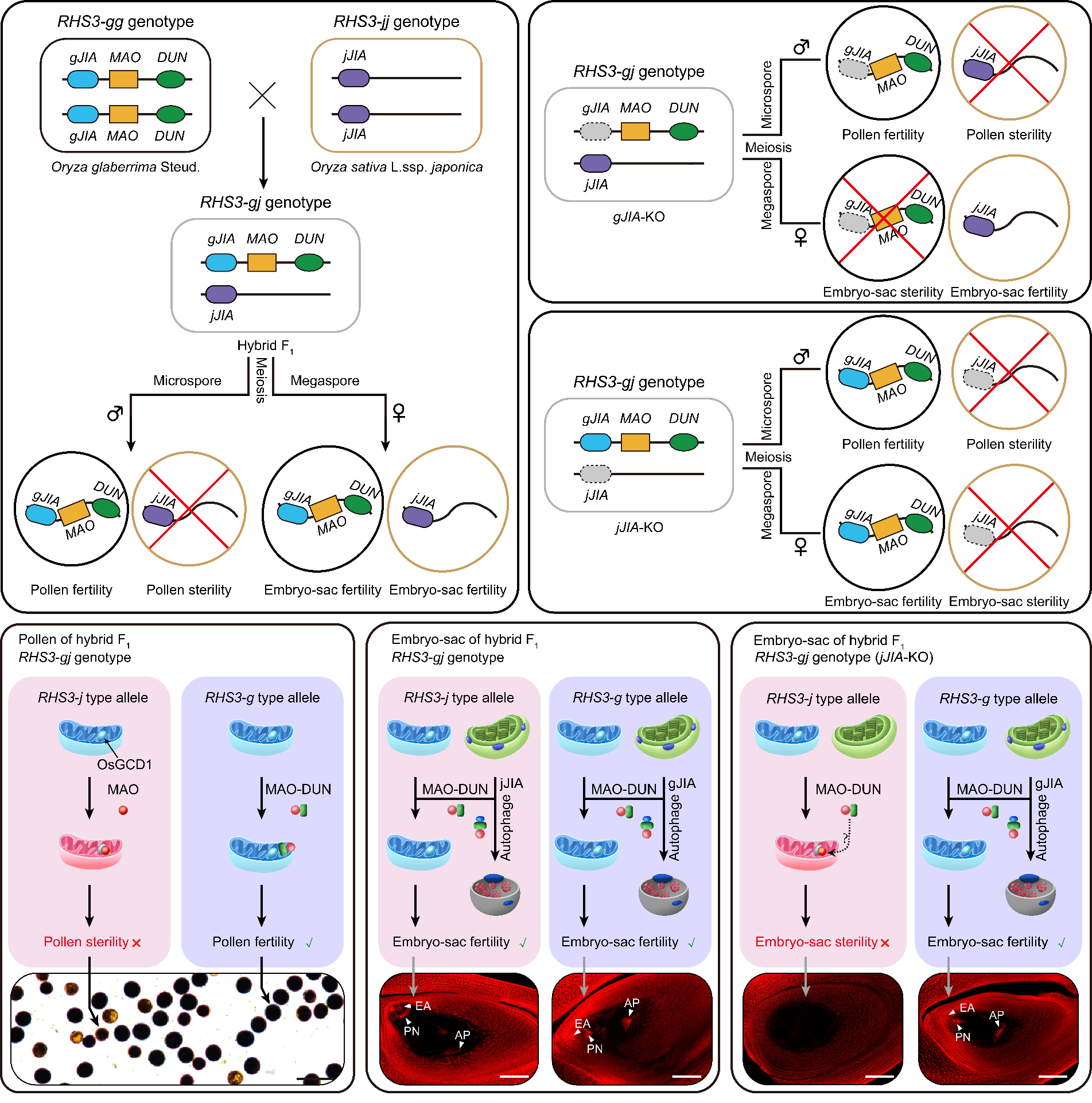
Figure 3. Genetic and molecular model of the spear-shield-armor system controlling hybrid sterility between Asian and African cultivated rice.
He Xiaodong and Shao Kun, visiting doctoral students at ICS-CAAS; professors Zhao Zhigang and Yu Xiaowen at Nanjing Agricultural University; Zhu Ying, a postdoctoral researcher at the South China Botanical Garden, Chinese Academy of Sciences; and Tang Jintao, a postdoctoral researcher at South China Agricultural University, are co-first authors. Academician Wan Jianmin, research professors Wang Haiyang and Wu Chuanyin, Professor Wang Chaolong at Nanjing Agricultural University, and Professor Chen Letian at South China Agricultural University are co-corresponding authors. The work was supported by a program to strengthen the research and innovation capacity of young faculty at centrally administered universities, the National Key Research and Development Program of China, the Excellent Young Scientists Fund of the National Natural Science Foundation of China, and other programs.
Original paper: https://www.science.org/doi/10.1126/science.aec5252

Address:No.12 Zhongguancun South St.,Haidian
District, Beijing, P.R.China 100081
Tel: +86-10-82105813
Email:zkskyc@caas.cn
Fax:+86-10-82105819