
The International Workshop on Using Mutational Biofortification to Improve the Nutritional Quality of Food Crops (2026)
From August 17 to 21, the Institute of Crop Sciences, Chinese Academy of Agricultural Sciences (ICS-CAAS), hosted the mid-term progress review workshop for the International Atomic Energy Agency (IAEA) Asia-Pacific technical cooperation project in mutation breeding, “Using Mutational Biofortification for Improving the Nutritional Quality of Food Crops,” in Beijing. Attendees included IAEA Technical Officer Fatma Sarsu; Programme Management Officer Khemphone Phaokhamkeo; Xiao Lili, a division director in the Department of International Cooperation of the China Atomic Energy Authority; Prof. Liu Luxiang, former Executive Director General of ICS-CAAS; and Xing Lili, Assistant Director General of ICS-CAAS. The workshop was chaired by Prof. Xie Yongdun of ICS-CAAS, the project’s Lead Country Coordinator.
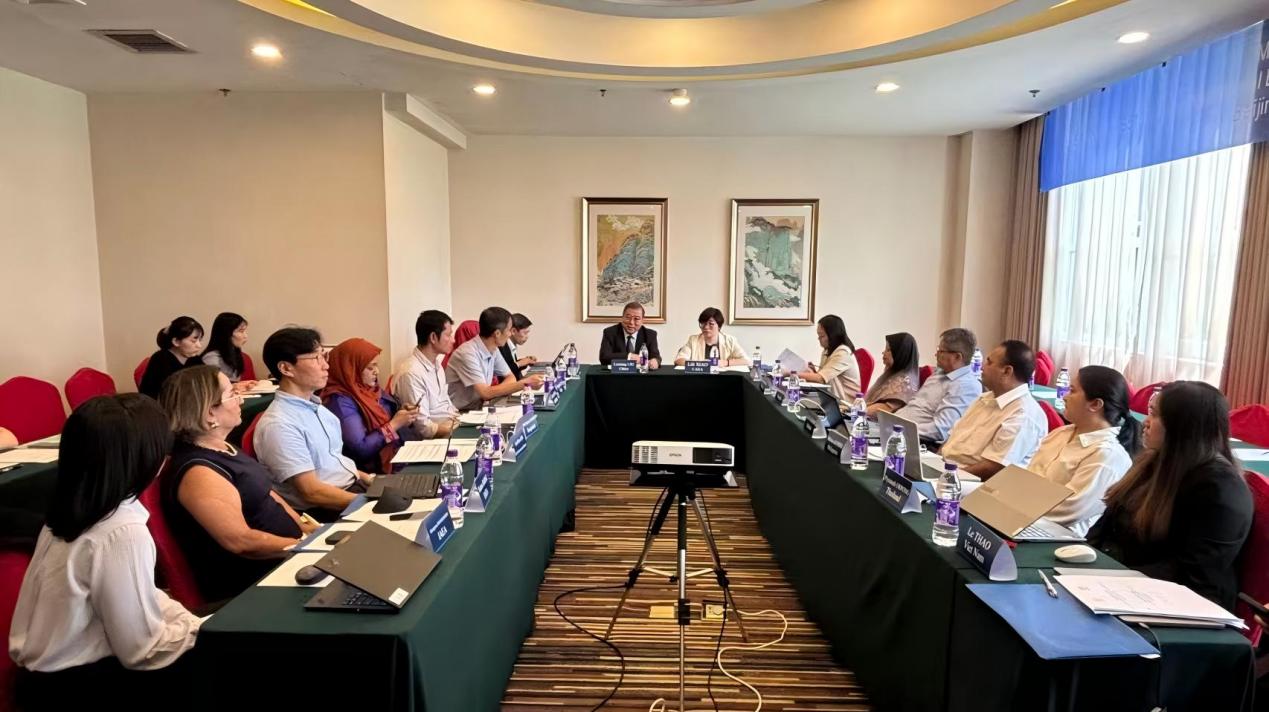
At the workshop, Sarsu gave a thematic presentation on climate-smart crop breeding for food and nutrition security. Liu Luxiang provided a comprehensive overview of the breakthroughs and achievements of IAEA Regional Cooperative Agreement (RCA) technical cooperation projects implemented since 2003. National coordinators from participating Asia-Pacific countries reported progress in using induced mutagenesis to develop new biofortified germplasm and varieties. Participants discussed the major challenges facing the project and priority research directions, and agreed on the subsequent implementation plan and work arrangements for each participating country.
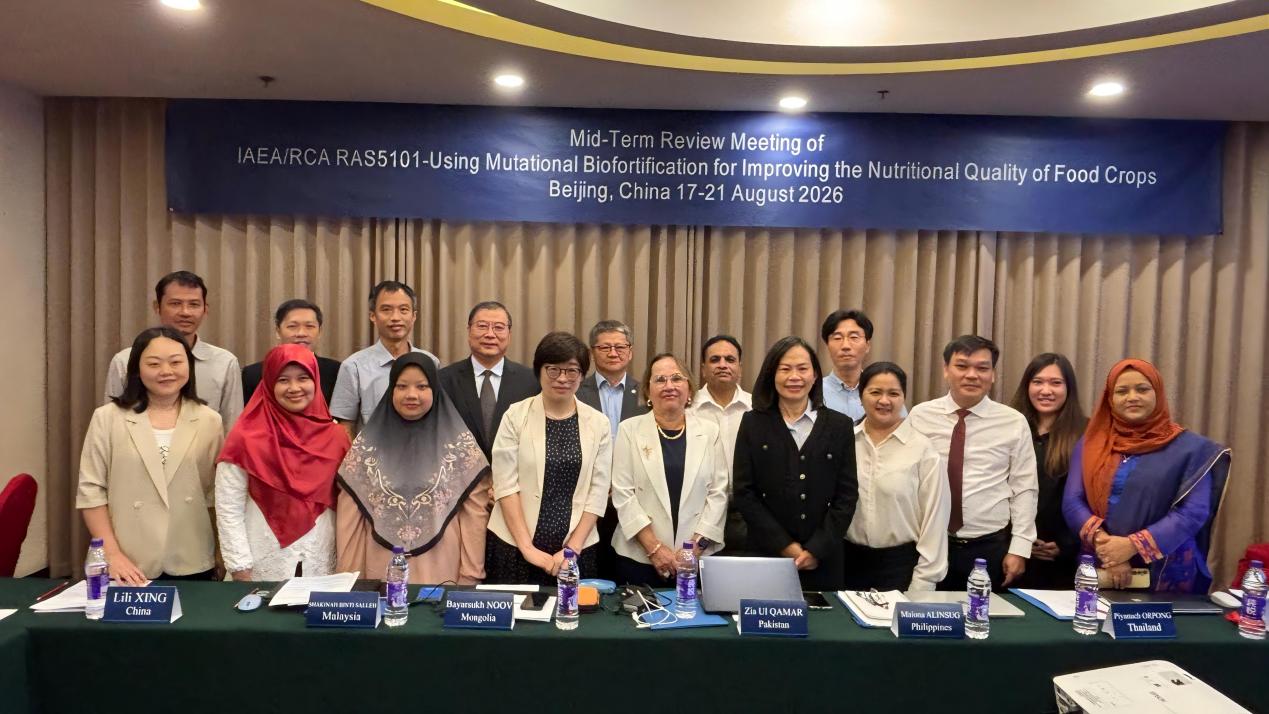
Supported by the China Atomic Energy Authority and led by ICS-CAAS, the IAEA Asia-Pacific RCA technical cooperation project “Using Mutational Biofortification for Improving the Nutritional Quality of Food Crops” brings together 17 countries in the region. It focuses on using induced mutagenesis to develop nutritionally enhanced mutant lines and varieties and to strengthen participating countries’ capabilities in mutation breeding innovation. Since its launch in 2025, the project has generated more than 50 nutritionally enhanced mutant lines, organized three regional international training courses, and trained 78 young researchers and technical specialists. It has helped participating countries achieve major research outcomes and increased the impact of mutation breeding.
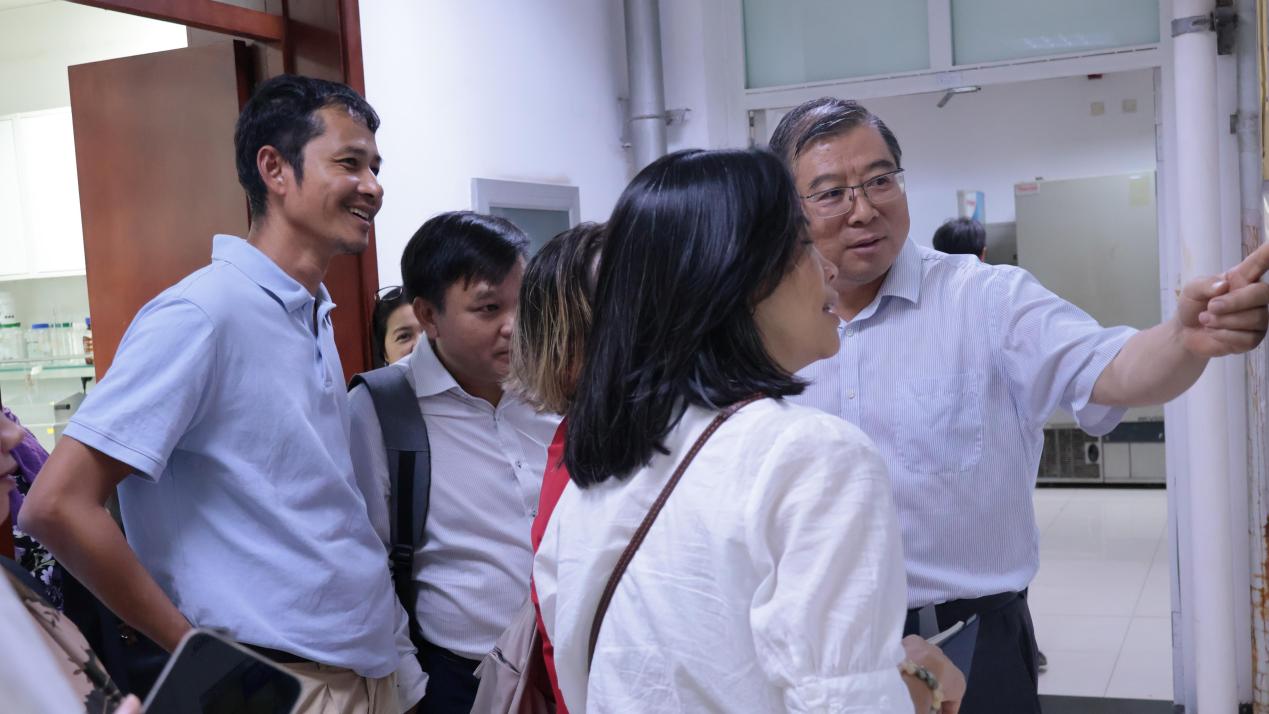
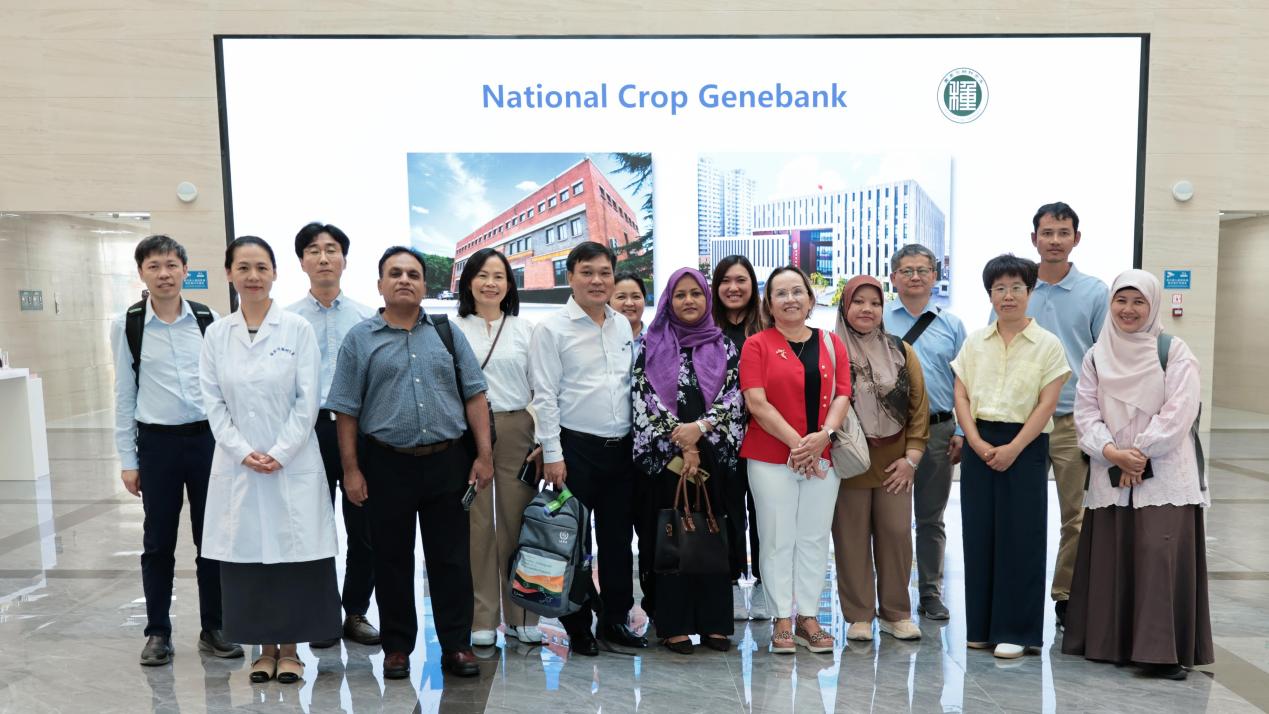
During the workshop, participants also visited the National Center for Crop Improvement through Space Mutation, the National Major Facility for Crop Gene Resources and Genetic Improvement at ICS-CAAS, the National Crop Genebank, and the institute’s Changping Experimental Station. They learned about progress in operating new X-ray irradiation equipment for mutation breeding, phenotyping facilities for maize, soybean, rice, and foxtail millet, and the field performance of diverse crop genetic materials. National coordinators from 12 participating countries—Bangladesh, Cambodia, Indonesia, Laos, Malaysia, Mongolia, Pakistan, the Philippines, Thailand, Vietnam, the Republic of Korea, and China—attended the workshop.

Address:No.12 Zhongguancun South St.,Haidian
District, Beijing, P.R.China 100081
Tel: +86-10-82105813
Email:zkskyc@caas.cn
Fax:+86-10-82105819